- Types of Pools
- Natural Pools
- Bio-filtration systems
Exploring Bio-filtration Systems for Natural Pools
Discover the benefits of bio-filtration systems in natural pools, their types, costs, and how to hire San Diego Pool Builders for your backyard design.
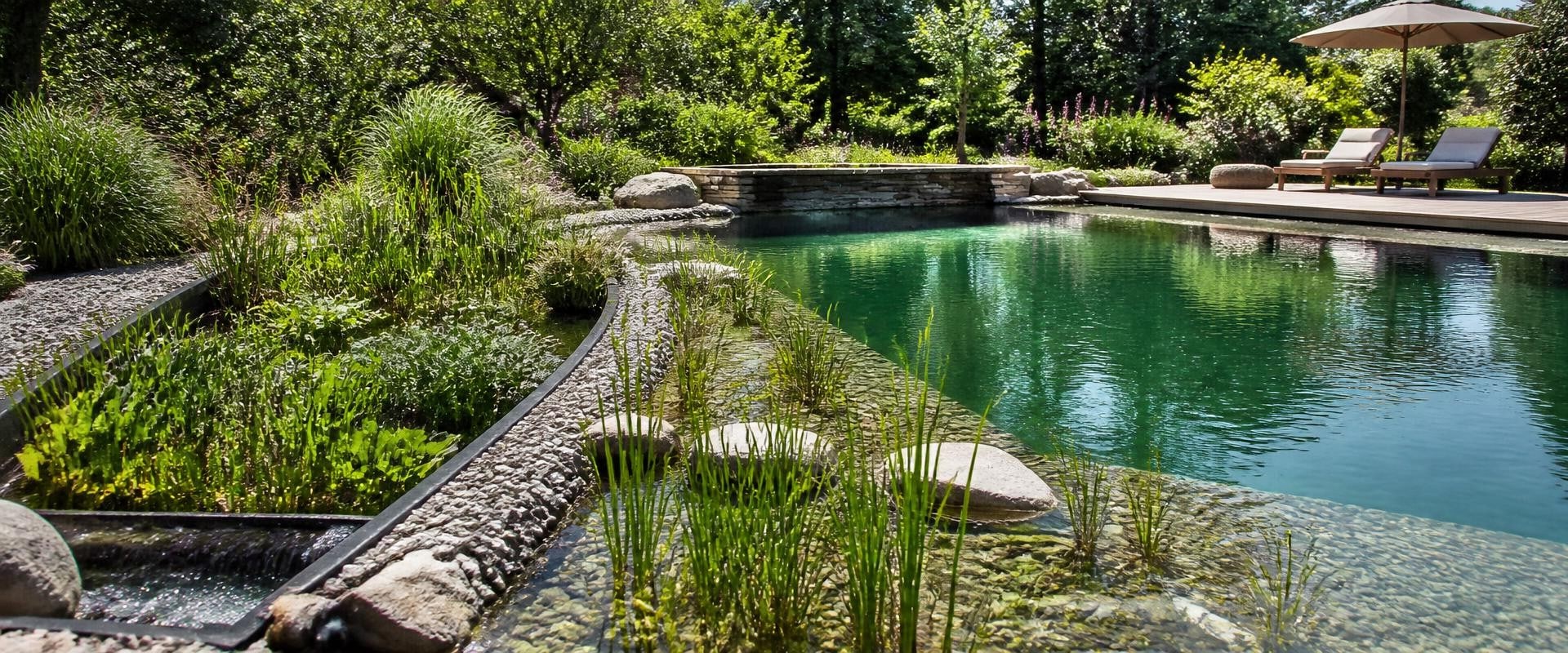
As more homeowners seek eco-friendly alternatives for their outdoor spaces, bio-filtration systems have emerged as a popular choice, particularly for those looking to create stunning natural pools. At have emerged as a popular choice, particularly for those looking to create stunning natural pools. At San Diego Pool BuildersSan Diego Pool Builders, we understand the importance of integrating sustainable practices into pool design, and the benefits that bio-filtration systems bring to both aesthetics and environmental health. These innovative systems utilize natural processes to filter and purify water, making them an ideal solution for homeowners who want to enjoy a swimming pool that harmonizes with nature. In this article, we will explore the various aspects of bio-filtration systems, including how they work, their advantages, and how they can enhance the overall experience of owning a natural pool. By delving into the science behind these systems, we aim to provide you with valuable insights that will guide you in your journey towards creating a beautiful and sustainable backyard oasis.
Whether you are considering a new pool installation or looking to upgrade your existing setup, understanding the role of bio-filtration is essential for any homeowner invested in eco-conscious living. When considering the construction of a natural pool, understanding bio-filtration systems is essential for maintaining a balanced and healthy aquatic environment. For residents in San Diego, enlisting the help of San Diego Pool Builders can ensure that these systems are incorporated effectively into your pool design, aligning with both aesthetic preferences and functional requirements. The primary functions of bio-filtration systems in natural pools revolve around water purification and ecosystem balance. These systems utilize biological processes to filter and purify water, mimicking natural ecosystems where plants and microorganisms work together to remove impurities.
Through this process, bio-filtration not only keeps the water clean but also supports a thriving habitat for aquatic life, enhancing the overall health of the pool environment. There are several types of bio-filtration systems available, each offering unique features and benefits. One popular option is constructed wetlands, which utilize a combination of soil, plants, and microorganisms to filter water effectively. These systems can be designed to blend seamlessly into the landscape, creating an aesthetically pleasing feature that also serves a vital ecological function. Another option is planted filters, which incorporate specific plant species known for their filtering capabilities.
These systems can be customized to suit individual preferences while contributing to the natural aesthetics of the pool area. In addition to enhancing the ecosystem, bio-filtration systems can lead to significant cost savings in pool maintenance. Traditional pools often require chemical treatments and frequent cleaning, leading to ongoing expenses. In contrast, natural pools with bio-filtration rely on natural processes to maintain water clarity and quality, reducing the need for chemical interventions and lowering overall maintenance costs. Navigating local permitting processes when incorporating bio-filtration into pool designs is crucial for homeowners. In San Diego, regulations may vary depending on local ordinances and environmental considerations.
Working with experienced professionals like San Diego Pool Builders can help streamline this process, ensuring all necessary permits are obtained and that the project adheres to local guidelines. Design options that integrate bio-filtration effectively into backyards can enhance both aesthetics and functionality. Homeowners can consider features such as natural stone pathways leading to planted filters or decorative rock formations around constructed wetlands. These design elements not only serve practical purposes but also create beautiful focal points within outdoor spaces. Potential concerns regarding installation timelines are common among homeowners interested in adding bio-filtration systems to their natural pools. While installation may take longer than traditional pool setups due to the complexity of integrating biological components, collaborating with skilled contractors can help ensure a smooth process.
Comparing contractors who specialize in bio-filtration systems is essential; look for those with experience in natural pool designs who understand the intricacies of both installation and maintenance. In conclusion, understanding bio-filtration systems is key for anyone looking to build a natural pool. By exploring the types of systems available, recognizing their benefits, navigating permitting processes, and considering effective design options, homeowners can create a beautiful and sustainable swimming environment that aligns with their values and enhances their outdoor living space.
Cost Considerations
When contemplating the integration of bio-filtration systems in natural pools, it is essential to consider the various costs associated with their implementation. While these systems can provide significant ecological benefits and contribute to a more sustainable swimming environment, they also come with specific financial implications that potential pool owners should be aware of. Engaging with San Diego Pool Builders can provide valuable insights into the overall costs involved in constructing a pool that utilizes bio-filtration technology. The initial investment for a bio-filtration system can vary depending on several factors, including the size of the pool, the complexity of the filtration system, and the materials used.Typically, these systems require more extensive planning and design than traditional pool setups, which can lead to higher upfront costs. Additionally, specialized equipment and plants may be needed to establish an effective bio-filtration environment, which can further increase expenses. It's also important to consider ongoing maintenance costs. While bio-filtration systems can reduce the need for chemical treatments and lower water replacement costs over time, they do require regular upkeep to ensure that the biological components remain healthy and effective. This could involve periodic replacement of plants or media used in the filtration process.
Therefore, discussing these long-term cost implications with San Diego Pool Builders during the planning phase can help homeowners make informed decisions that align their budget with their desired eco-friendly goals. In summary, while implementing bio-filtration systems in natural pools may require a higher initial investment compared to traditional filtration methods, the potential for reduced chemical use and enhanced water quality makes them an appealing option for environmentally conscious pool owners. By carefully evaluating both initial and long-term costs, you can work with experts like San Diego Pool Builders to create a sustainable swimming space that fits your budget and lifestyle.
Designing Your Backyard with Bio-filtration
When considering the integration of bio-filtration systems into your natural pool design, it is essential to think about how these systems can enhance both the functionality and aesthetics of your outdoor space. By collaborating with experts like San Diego Pool Builders, homeowners can explore various design options that seamlessly incorporate bio-filtration into their backyard landscapes. One popular approach is to create a dedicated bio-filtration area where aquatic plants, rocks, and gravel work together to filter the water naturally. This area can be landscaped with native plants that not only complement the pool's design but also provide habitat for local wildlife.The strategic placement of these filtration zones not only improves water quality but also adds visual interest to the pool area. Another option is to integrate bio-filtration systems within the pool's edges, using natural stone or timber to create a smooth transition between the swimming area and the filtration components. This design choice allows for easy maintenance while ensuring that the filtration system is both functional and aesthetically pleasing. By incorporating these elements, homeowners can achieve a harmonious balance between nature and modern design. It's also worth considering the surrounding landscape when designing your pool. Using bio-filtration systems as a focal point can encourage a cohesive look that ties together your backyard features.
For example, a waterfall or stream that flows into the pool can be designed with bio-filtration in mind, enhancing water movement and promoting a tranquil atmosphere. Ultimately, engaging with professionals like San Diego Pool Builders can provide valuable insights into the best practices for implementing bio-filtration systems. They can assist in selecting appropriate plants and materials that align with your vision while ensuring that the system functions effectively within your natural pool environment.
Types of Bio-filtration Systems
When considering a natural pool, understanding the different bio-filtration systems available is crucial for maintaining a healthy aquatic environment. For those looking to hire San Diego Pool Builders, familiarity with these systems can significantly influence the decision-making process. Here, we explore several types of bio-filtration systems, discussing their unique characteristics, advantages, and disadvantages.1.Subsurface Flow Wetlands:
These systems consist of gravel or soil beds that support aquatic plants.Water flows through the medium, allowing beneficial microbes to break down contaminants.
Pros:
They are visually appealing and enhance biodiversity.Cons:
They require significant space and can be expensive to install.2.Constructed Wetlands:
Similar to subsurface flow wetlands, constructed wetlands utilize a shallow basin with plants and microorganisms to filter water.Pros:
They effectively remove nutrients and provide habitat for wildlife.Cons: Maintenance can be labor-intensive, and they may not be suitable for all climates.
3.Moving Bed Biofilm Reactors (MBBR):
MBBRs use plastic media that provide a surface for biofilm growth, allowing for efficient filtration without large amounts of space.Pros:
They have a small footprint and can handle fluctuations in water quality.Cons:
They require mechanical components that may need regular maintenance.4.Bio-Towers:
This system features vertical columns filled with media where bacteria can thrive. Water is pumped through these towers, effectively filtering it before it re-enters the pool.Pros: They are compact and efficient in nutrient removal.
Cons:
Initial setup can be costly, and they require electricity to operate.5.Aquatic Plant Systems:
This approach utilizes various aquatic plants to naturally filter water through their root systems.Pros:
They are low-maintenance and enhance the aesthetic appeal of the pool area.Cons:
Effectiveness varies with plant selection, and they might not suffice as standalone filtration. The choice of bio-filtration system will depend on factors such as space, budget, and aesthetic preferences.Understanding these options will empower homeowners when working with professionals like San Diego Pool Builders, ensuring they create a stunning and sustainable natural pool environment.
Hiring San Diego Pool Builders
When considering the construction of a natural pool with bio-filtration systems, it is crucial to hire qualified professionals.San Diego Pool Builders
can help guide you through the process of finding the right contractor who specializes in this niche. Here are some tips to compare contractors effectively:1.Research Experience: Start by looking for contractors who have specific experience in building natural pools and implementing bio-filtration systems. Review their portfolios to see previous projects and check if they have successfully integrated these systems in similar environments.2.Verify Qualifications:
Ensure that the contractors are licensed and insured.This adds a layer of protection for you as a homeowner. Additionally, inquire if they have any certifications related to eco-friendly pool construction or bio-filtration systems.
3.Ask for References:
Contact previous clients to get firsthand accounts of their experiences. Ask about the contractor's ability to meet deadlines, communicate effectively, and manage budgets, especially concerning the installation of bio-filtration systems.4.Request Detailed Bids:
Obtain bids from multiple contractors outlining the scope of work, materials, and timelines. This will allow you to compare costs and ensure that all proposals include similar work regarding the bio-filtration systems.5.Evaluate Communication:
Good communication is essential throughout the project.Assess how each contractor communicates during your initial discussions. A contractor who is responsive and open to questions is likely to be more reliable during the construction process.
6.Check for Warranty and Support:
Inquire about warranties on both materials and workmanship. A reputable contractor should offer guarantees that cover potential issues with the bio-filtration systems.By following these tips when hiring San Diego Pool Builders, you can ensure that your natural pool project is in capable hands, leading to a beautiful and sustainable outdoor oasis.Understanding Bio-filtration Systems
Bio-filtration systems are essential components of natural pools, designed to maintain water clarity and quality without the use of harsh chemicals. These systems mimic the natural filtration processes found in ecosystems, relying on beneficial microorganisms, plants, and substrates to break down organic matter and purify water.For homeowners considering a natural pool, understanding how these systems function is crucial, especially when working with experienced professionals like San Diego Pool Builders.At the core of a bio-filtration system is a biological filter that provides a habitat for beneficial bacteria. These bacteria colonize surfaces within the filtration system and consume organic pollutants such as algae, debris, and fish waste. By converting these harmful substances into less harmful byproducts, they help sustain a balanced aquatic environment. Additionally, the use of aquatic plants in conjunction with the filter enhances this process by absorbing nutrients and providing oxygen, further contributing to water purification. The design of a bio-filtration system can vary depending on the specific needs of a natural pool.
Commonly, it includes a combination of gravel beds, plant life, and water circulation mechanisms that promote optimal filtration. As you engage with San Diego Pool Builders, it's important to discuss how these elements can be tailored to fit your pool's design while ensuring effective maintenance and sustainability. In conclusion, understanding the intricacies of bio-filtration systems can empower homeowners to make informed decisions when planning their natural pool projects. This knowledge not only aids in creating a beautiful swimming environment but also enhances the ecological health of the pool itself.
Permitting Processes in San Diego
When considering the installation of bio-filtration systems in natural pools, understanding the local permitting requirements is crucial. In San Diego, the process can vary depending on the specific location and design of your pool.Therefore, it’s essential to consult with experienced professionals, such as San Diego Pool Builders, who are familiar with local regulations and can guide you through the necessary steps. The first step in the permitting process involves determining whether your proposed pool design meets the city’s zoning requirements. This may include considerations such as property lines, setbacks, and environmental impacts. Obtaining a site plan that accurately depicts your property and the intended location of your pool is often required. Next, you will need to apply for a construction permit from the City of San Diego. This application typically requires detailed plans that outline the design of your pool and its bio-filtration system.
Make sure that these plans highlight how the system will function to maintain water quality naturally, as this is a key aspect of your proposal. Once your application is submitted, it will be reviewed by various city departments, including planning, environmental health, and possibly even local water quality authorities. It's important to note that additional permits might be necessary if your project impacts native vegetation or wildlife habitats. After securing the necessary permits, you can commence construction. However, keep in mind that inspections will be required at various stages of the build to ensure compliance with local codes and regulations. Working with knowledgeable contractors like San Diego Pool Builders can help streamline this process, ensuring that you meet all regulatory requirements while creating a stunning and sustainable natural pool environment. In conclusion, bio-filtration systems present a sustainable and effective solution for maintaining the natural balance in pools, enhancing both the aesthetic and ecological aspects of your backyard.
By incorporating these systems, pool owners can enjoy clear water without the harsh chemicals typically associated with conventional pools, making them safer for families and the environment alike. As you embark on your journey to create a stunning natural pool, it is crucial to work with experienced professionals like San Diego Pool Builders. Their expertise in designing and implementing bio-filtration systems ensures that your pool will not only look beautiful but will also function efficiently. These builders can guide you through the complexities of costs, permitting processes, and design considerations unique to San Diego. We encourage you to explore the benefits of bio-filtration systems when planning your backyard transformation. The right design can make all the difference in achieving a serene and natural swimming experience.